



Le 20/10/2025
rédigé par Laura P
Peinture vs revêtement adhésif : que choisir pour vos surfaces ?
Peinture ou revêtement adhésif : comparatif coût, durabilité, temps
Lors d’un projet de rénovation ou d’aménagement, le choix du revêtement est déterminant. Faut-il opter pour une peinture traditionnelle ou un revêtement adhésif ? Ces deux solutions n’impliquent ni le même coût, ni le même temps de pose, ni la même durabilité. Cet article vous aide à comparer objectivement leurs avantages, inconvénients et usages, afin d’orienter votre choix selon votre projet.
Définition des deux solutions
Avant d’entrer dans le comparatif, il est essentiel de bien comprendre ce qui différencie la peinture d’un film adhésif. Ces deux approches visent à améliorer l’apparence et la protection des surfaces, mais leurs procédés et leurs résultats diffèrent radicalement.
Qu’entend-on par « peinture » ?
La peinture reste la méthode la plus répandue pour rafraîchir un mur, un plafond ou un mobilier. Elle offre une grande liberté de teintes et de finitions (mat, satiné, brillant) et peut être appliquée sur différents supports. Néanmoins, elle nécessite une préparation soignée du support et des temps de séchage parfois longs.
Qu’est-ce qu’un revêtement adhésif ?
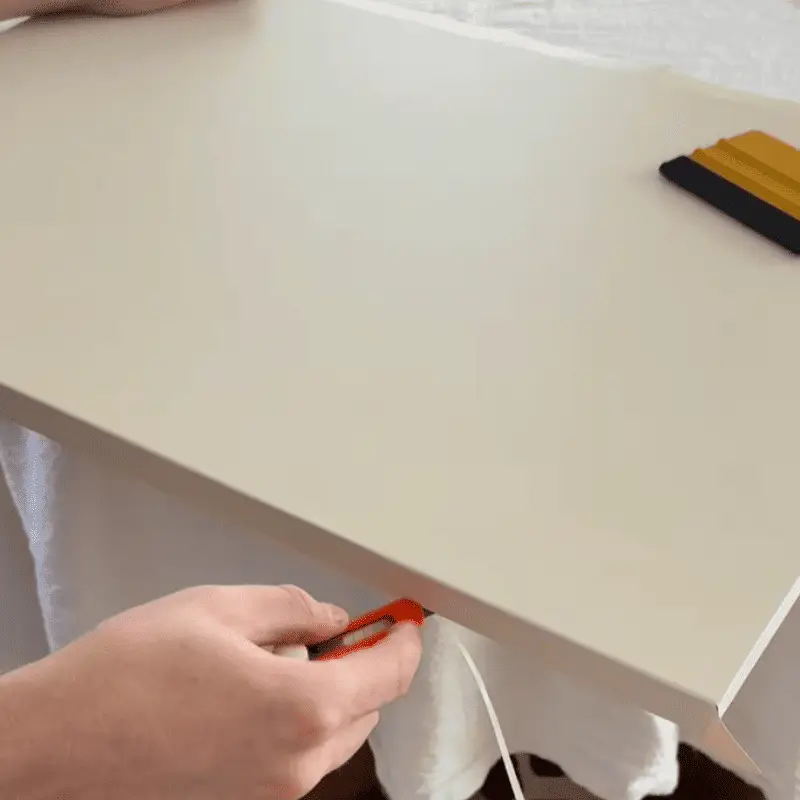
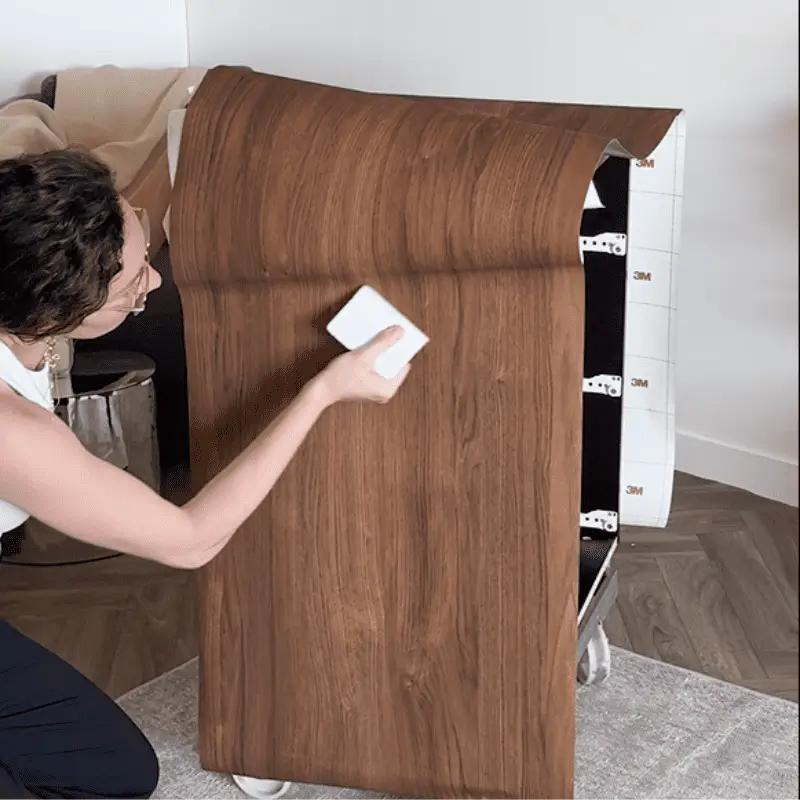
Le revêtement adhésif (ou film adhésif) est une solution de décoration et de protection prête à poser. Facile à installer, il s’applique sur des surfaces planes ou même sur du mobilier. Il permet de changer le style d’une pièce sans travaux lourds, tout en offrant une finiton propre et immédiate.
Pourquoi cette alternative gagne du terrain ?
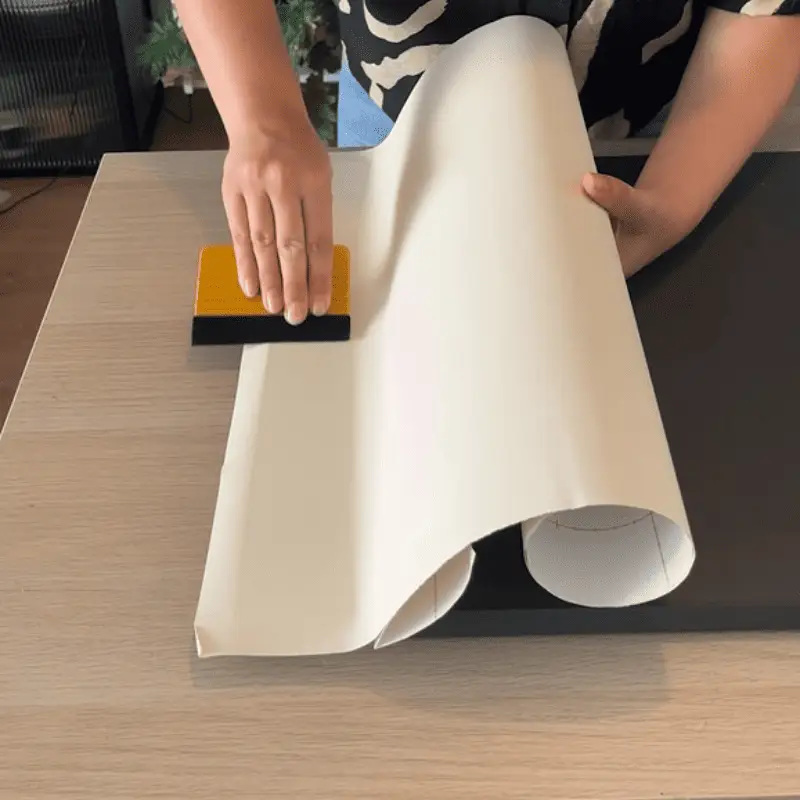
De plus en plus de professionnels et de particuliers choisissent le film adhésif pour sa rapidité d’exécution, son design personnalisable et son impact environnemental réduit. Là où la peinture impose des jours d’interruption, le film se pose en quelques heures, sans odeur ni poussière.
Comparatif : le coût
Comparer les coûts ne se limite pas à regarder le prix du mètre carré. Il faut aussi tenir compte de la main-d’œuvre, du matériel, du temps d’immobilisation et de la fréquence de renouvellement. Un bon choix repose sur une vision globale du rapport qualité/prix et de la durabilité du revêtement choisi.
Coût initial de la peinture
Le coût d’une peinture inclut la fourniture, la main-d’œuvre et la préparation du support. En moyenne, le prix varie entre 25 et 45 €/m², selon le type de peinture et la qualité de finition. À cela s’ajoutent les temps d’immobilisation du local pendant la pose et le séchage.
Coût initial du revêtement adhésif
Un film adhésif professionnel coûte entre 40 et 70 €/m². Si l’investissement paraît supérieur, le chantier est beaucoup plus court et ne génère pas de frais indirects liés à l’arrêt d’activité ou au nettoyage post-travaux.
Coût global à long terme
La durée de vie moyenne d’une peinture est de 3 à 7 ans selon l’usage et l’entretien, contre 5 à 10 ans pour un film adhésif de qualité. Ce dernier résiste mieux aux rayures, à l’humidité et aux UV, ce qui limite les retouches et les rénovations.
Comparatif : temps et mise en œuvre
Le temps est souvent décisif, notamment dans un environnement professionnel et particulier. Une peinture exige plusieurs jours d’attente et une logistique plus lourde, tandis que le film adhésif se distingue par sa rapidité d’exécution et la propreté de la pose.
Temps de pose pour la peinture
Entre la préparation du support, les couches successives et le séchage, un chantier de peinture demande 2 à 4 jours minimum. Cela entraîne souvent une interruption d’usage des locaux.
Temps de pose pour le revêtement adhésif
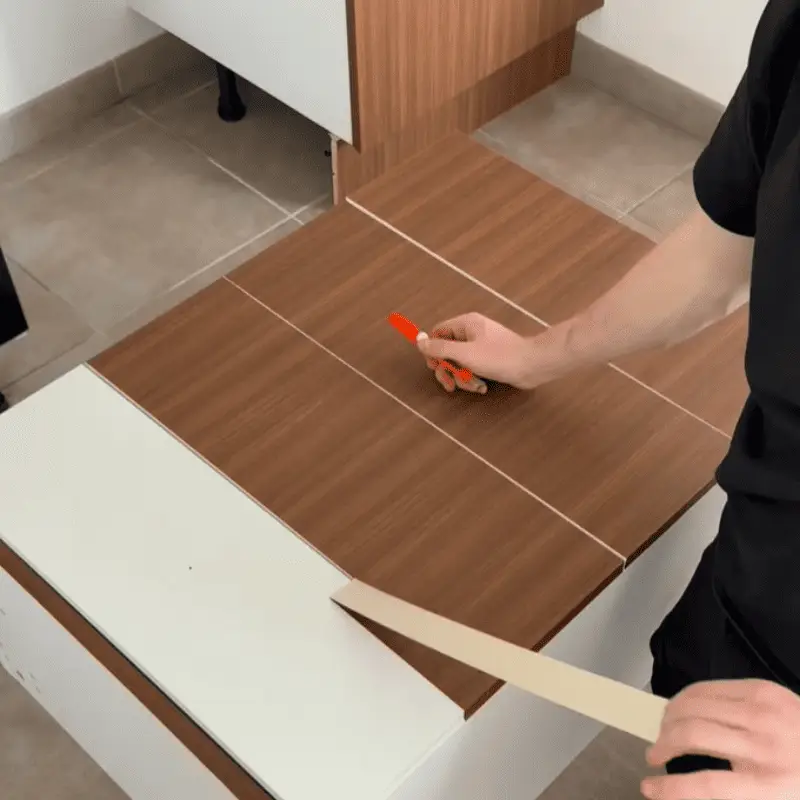
Le film adhésif se pose en une journée sur une surface prête. Il ne nécessite ni ponçage, ni temps de séchage, et votre espace peut être utilisé dès la fin de la pose.
Contraintes et nuisances
La peinture génère des odeurs, de la poussière et demande du temps de nettoyage. Le film, lui, offre un chantier propre et silencieux, sans COV ni odeurs chimiques.

Comparatif : durabilité et entretien
La durabilité d’un revêtement ne dépend pas seulement du matériau, mais aussi de l’environnement d’usage et de la fréquence d’entretien. Entre peinture et film adhésif, la différence se joue sur la résistance, la stabilité des couleurs et la facilité d’entretien.
Durabilité de la peinture
La peinture est sensible à l’usure mécanique, à l’humidité et aux rayons UV. Elle peut jaunir, s’écailler ou se tacher avec le temps.
Durabilité du film adhésif
Les films adhésifs offrent une résistance accrue aux rayures, à la chaleur et à la lumière. Certains modèles incluent des traitements anti-UV ou anti-rayures prolongeant leur durée de vie.
Entretien du revêtement adhésif
Un film se nettoie facilement avec un chiffon en microfibre et un produit neutre. Il ne demande ni retouche ni repeinte. La peinture, elle, doit souvent être ravivée après quelques années.

Critères de choix selon vos besoins
Avant de trancher, identifiez vos priorités : esthétique, budget, rapidité ou durabilité. Le bon choix n’est pas universel, mais dépendra du contexte et de vos attentes à long terme.
Nature du support et usage
Le choix dépend du support (mur, meuble, porte...) et du degré d’exposition à l’usure. Le film adhésif convient mieux aux surfaces lisses et à fort passage.
Fréquence de renouvellement souhaitée
Si vous changez souvent de décor, le film est idéal. La peinture est plus pertinente pour une finition durable à faible fréquence de changement.
Budget et retour sur investissement
Malgré un coût initial légèrement plus élevé (suivant la finition choisie), le film adhésif offre un meilleur retour sur investissement à long terme : entretien quasi nul, durée de vie prolongée et gain de productivité.
Contraintes techniques ou réglementaires
Certaines zones (locaux recevant du public, cuisines) exigent des matériaux spécifiques. Les films Luminis Films répondent aux normes de sécurité et peuvent être retirés sans abîmer le support.
Avantages et inconvénients
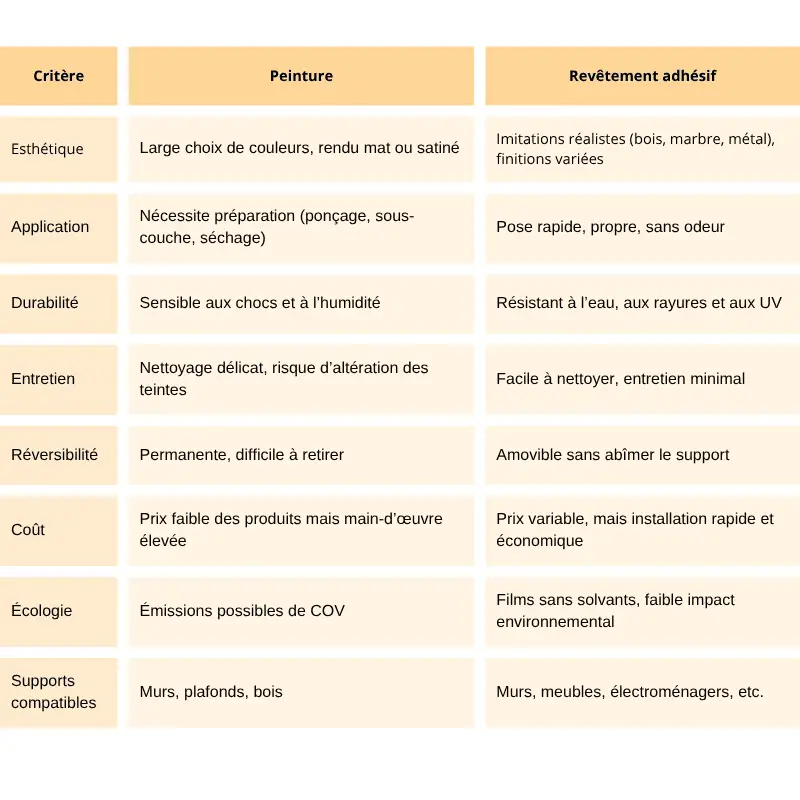
Comparer les avantages et inconvénients aide à visualiser rapidement la solution la plus adaptée à votre usage. Voici un tableau synthétique pour mieux cerner les différences clés entre peinture et film adhésif.
Erreurs à éviter
Avant d’entamer votre projet, mieux vaut anticiper les pièges courants. Une préparation ou une pose négligée peut compromettre le rendu final et réduire la durée de vie du revêtement.
- Mal préparer le support avant la pose.
- Sous-estimer le temps de séchage d’une peinture.
- Choisir un film non adapté à l’usage (intérieur/extérieur).
- Oublier de comparer les coûts à long terme.
- Négliger la qualité du produit ou la pose professionnelle.
FAQ
1. Le revêtement adhésif est-il plus cher que la peinture ?
Légèrement à l’achat, mais plus rentable sur la durée grâce à sa durabilité et à son entretien quasi nul.
2. Peut-on poser un film adhésif sur n’importe quelle surface ?
Oui, dès lors que la surface est propre, sèche et lisse. Certains supports poreux nécessitent un apprêt.
3. Quelle est la durée de vie d’un film adhésif ?
Entre 5 et 10 ans selon le modèle, les conditions d’exposition et l’entretien.
4. Y a-t-il des films écologiques ?
Oui, plusieurs gammes sont sans solvants ni COV.
5. Faut-il faire appel à un professionnel ?
Pas forcément. Chez Luminis Films, nos revêtements adhésifs sont faciles à poser par tout un chacun. Vous avez également de nombreux contenus vidéos sur nos réseaux sociaux : Instagram, Facebook ou encore YouTube.
La peinture reste un choix polyvalent, mais demande du temps et de l’entretien. Le revêtement adhésif, plus rapide à poser et durable, est une alternative moderne, propre et personnalisable. Pour vos projets de rénovation ou d’aménagement, les films adhésifs Luminis Films offrent la combinaison idéale entre esthétique, performance et gain de temps.
D'autres problématiques en rapport
-

Rattraper une pose ratée de revêtement adhésif : bulles, plis, raccord visible, nos solutions
-

Adhésifs pailletés Shine : Le guide pour une rénovation festive et lumineuse
-
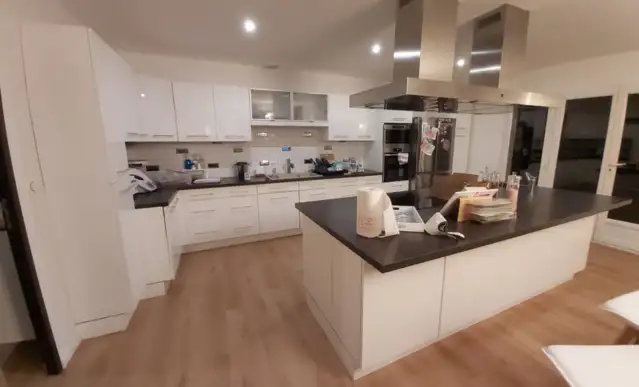
DIY cuisine : Une cuisine blanche moderne avec Luminis Films
-

Rénovation de cuisine : Découvrez notre outil de simulation en ligne.
-
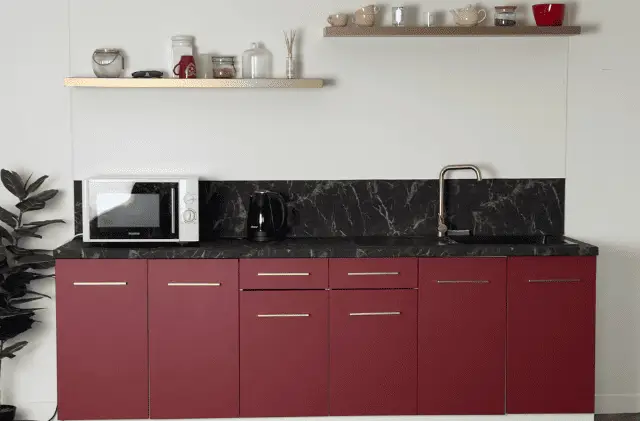
Foire aux idées reçues : 9 mythes sur les revêtements adhésifs démystifiés